
Our Story
Winterton Valley Estate is more than just a holiday park, it’s a place shaped by family, nature and a genuine passion for creating a peaceful coastal retreat. For generations, our family has cared for this unique stretch of land on the Norfolk coast and preserving its beauty. Today, over 50 years on, the estate continues to be guided by the same values: quality, tranquillity, and a deep respect for the landscape that surrounds it.
Over the years, the estate has evolved into a haven for those seeking calm and a home-from-home by the sea. Whether you visit for the sweeping dunes, the quiet atmosphere, or the sense of stepping away from the noise of everyday life, we offer a lifestyle that’s both simple and special.
Four Generations, One Unique Estate
Our story is unlike most other holiday parks, one shaped by family, history and a touch of serendipity. Our journey began back in the 1930s, when Edward Bush Snr attended a local auction, hoping to nudge the bidding with a low offer. Known for stepping in when others hesitated, he often found himself the unexpected owner of whatever he bid on. Including, famously, the Hotel de Paris in Cromer, Norfolk.
On this occasion, hundreds of acres of land were on offer in Winterton-on-Sea. With no bidders coming forward, he raised his hand. When the hammer fell and silence remained, he found himself the owner. Pleased, and perhaps slightly amused, he immediately drove out to see exactly what he had purchased, assuming the land could at least be farmed. What he found was acres of dunes, beach and coastal scrub.
Some of the land could be farmed, and some of it was developed by his other company, Bush Builders.
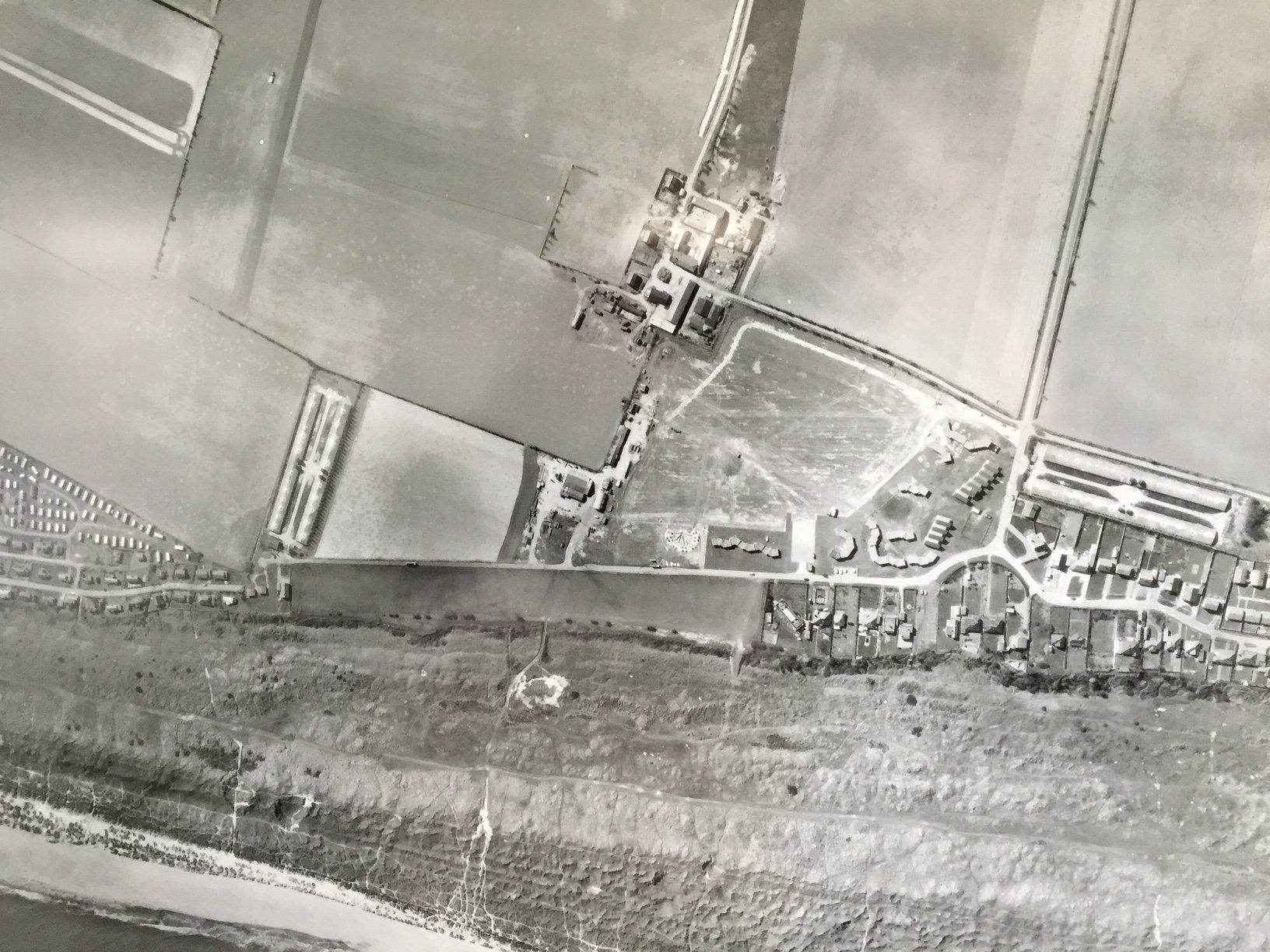
During the Second World War the land where the estate now stands became home to a Coastal Defence / Chain Home Low radar station, leading to a period of military occupation.
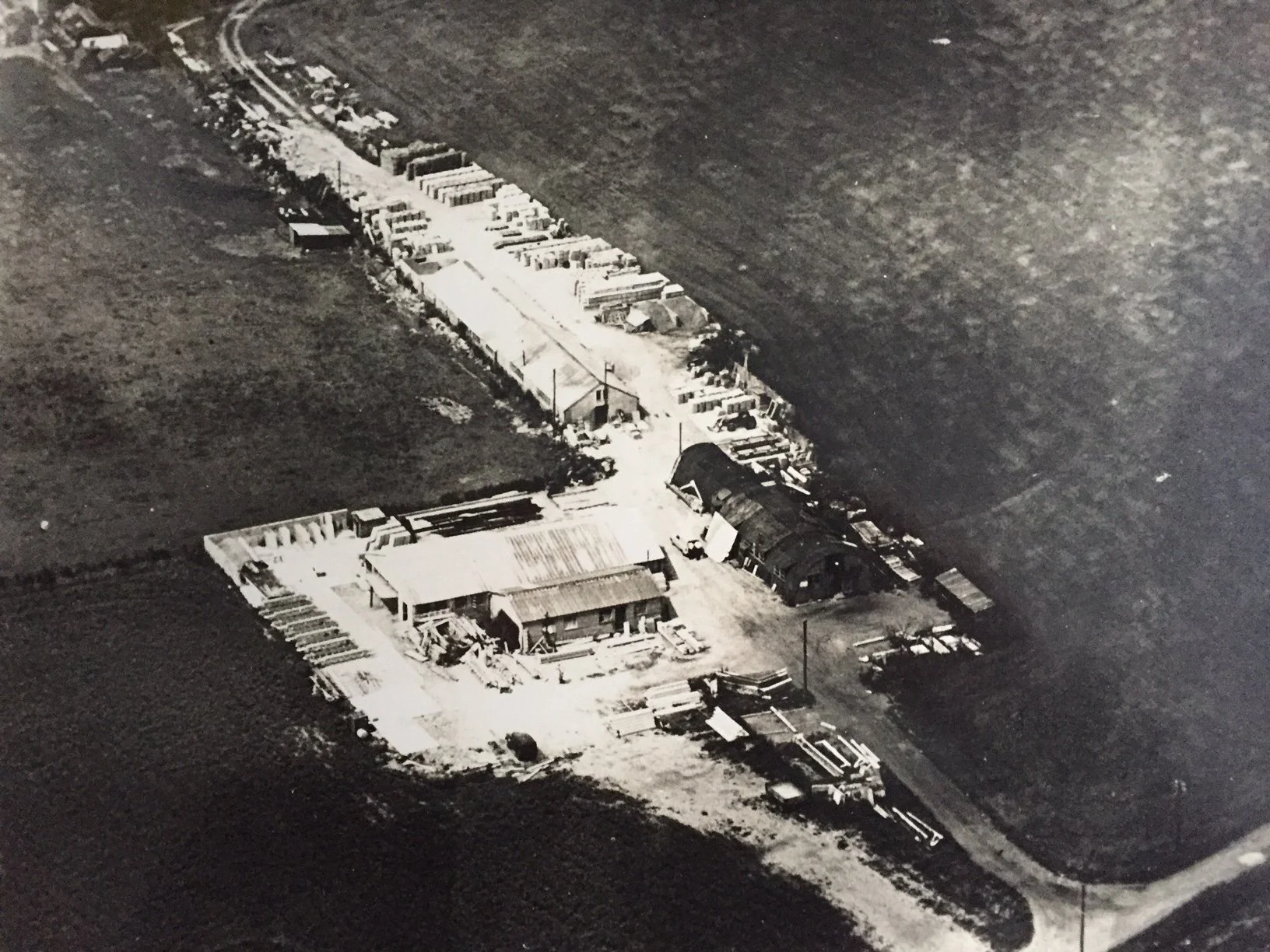
After the war, as Britain turned towards rebuilding, Edward Bush Jnr established a precast concrete works on the site. From here they produced items such as lamp posts, kerbs and paving slabs to support the post-war reconstruction. As well as undertaking specialist work for local projects including the Birdseye factory in Great Yarmouth and the University of East Anglia (UEA) in Norwich.
By the late 1960s, seaside holidays were booming across the UK. The great British seaside break had come into its own in the 1950s and 60s, with paid holiday leave, improved transport and a growing appetite for time by the sea helping to fuel demand for coastal stays. On the Norfolk coast, chalets and caravan parks were becoming a particularly popular way for families to stay near the beach, with nearby resorts such as Great Yarmouth seeing a large proportion of visitors accommodated this way. Recognising this growing demand, Edward Bush Jnr and his sons, Anthony ‘Tony’ and Max, began planning the site.
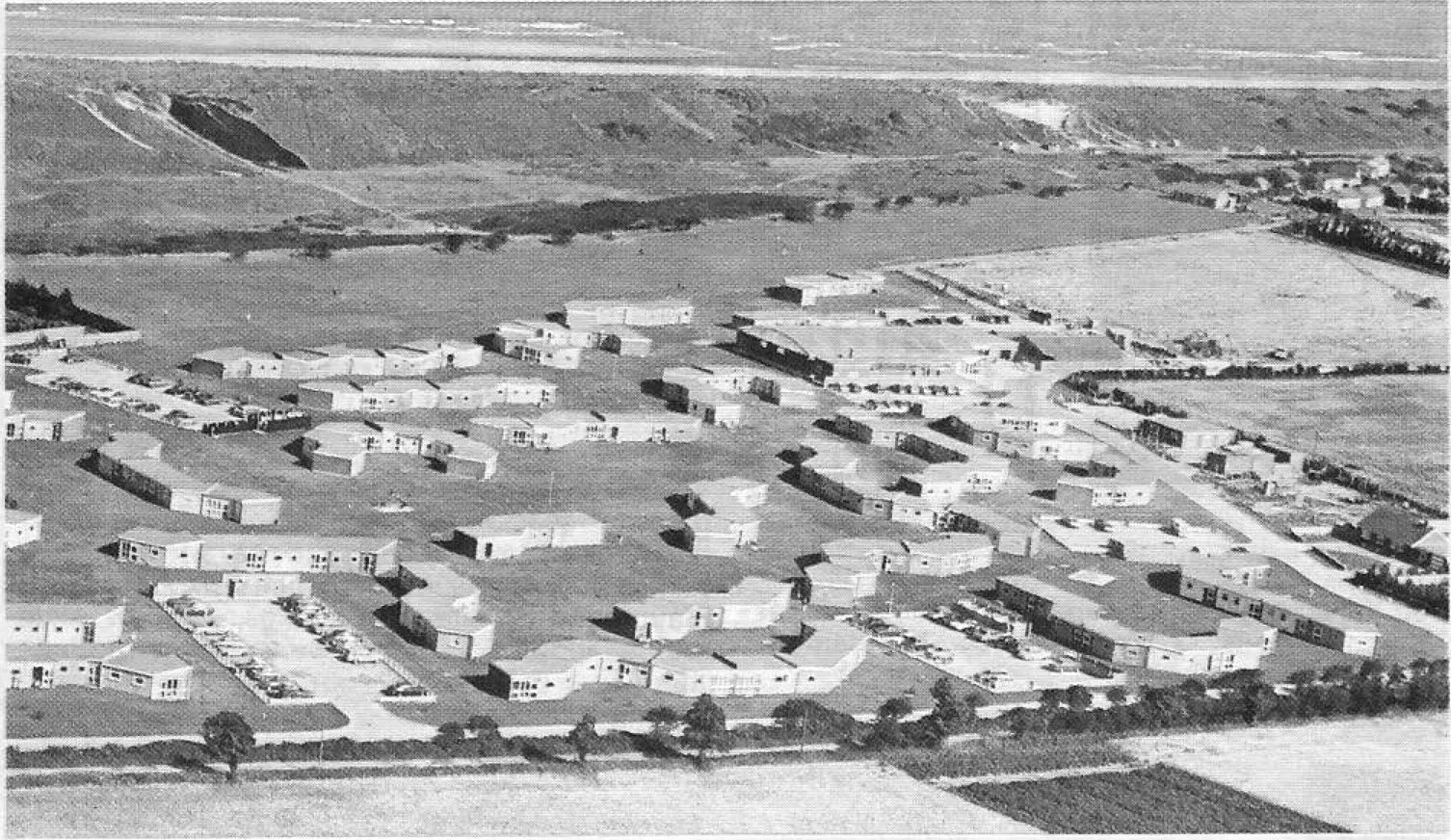
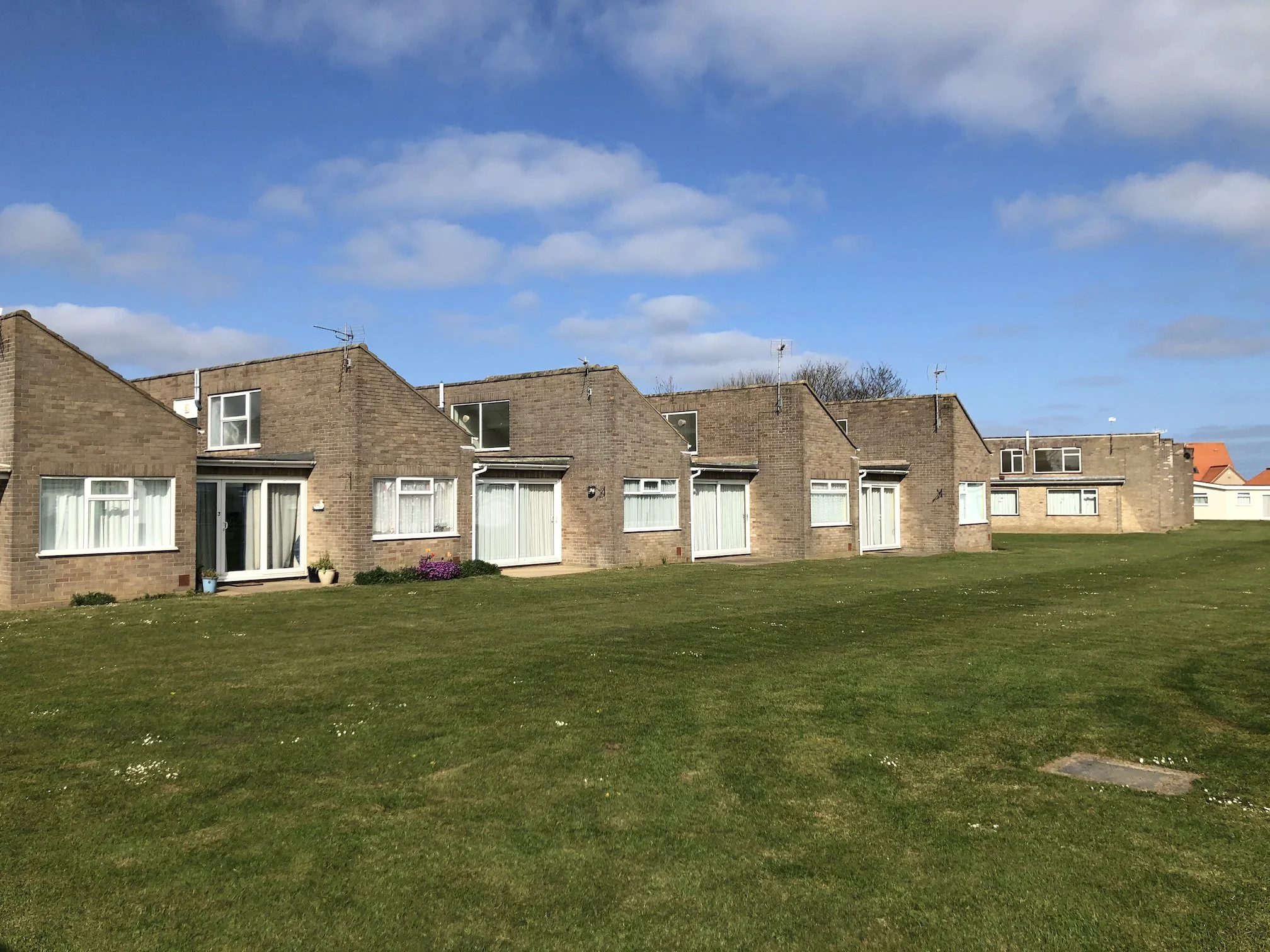
Their first concept was striking and ambitious: large brick buildings with high, sail-like roofs designed to suggest “sails in the sun”, positioned around the perimeter of the site with a central green and shared facilities at the heart. Ten of these properties were built and still stand at the entrance to the estate today, a visible reminder of the original vision. Over time, however, it became clear that this design and the associated costs weren’t quite right for the long-term character and accessibility of the park. A new architect was brought in, and fresh plans were drawn up. The result was the distinctive, colourful timber-and-brick chalet style that now defines Winterton Valley Estate
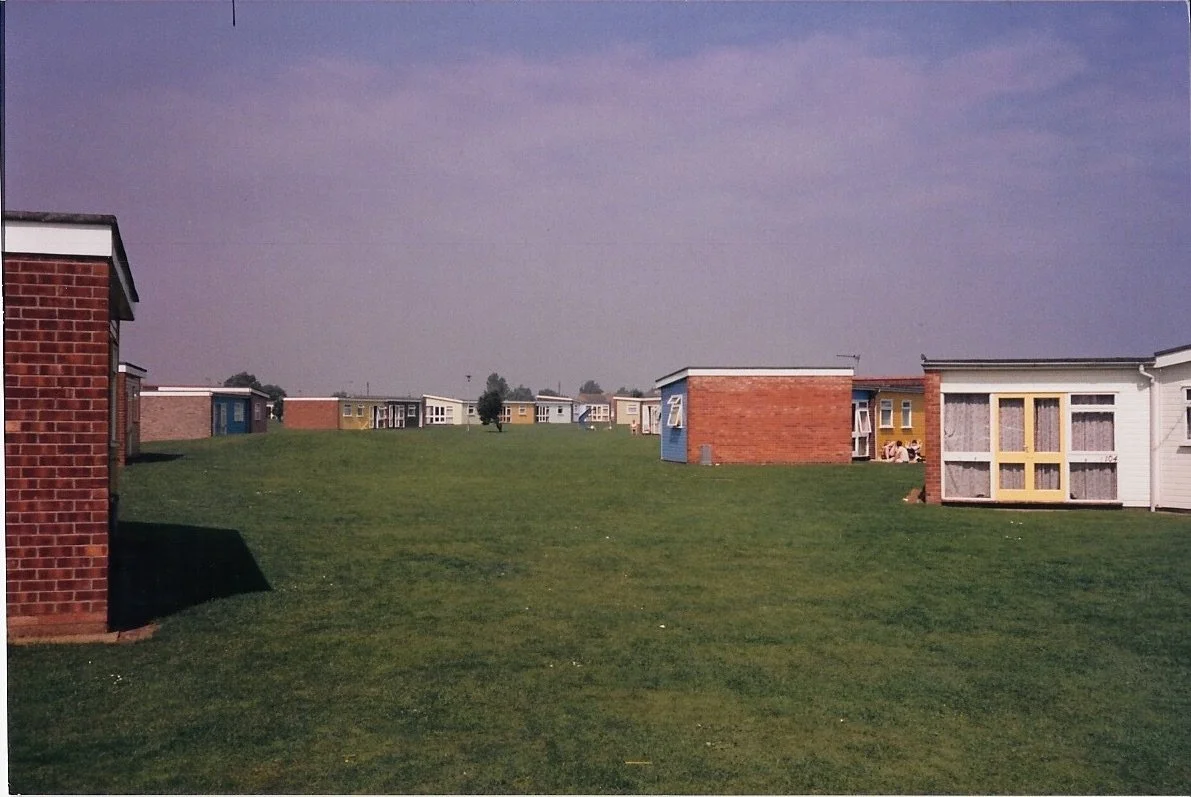
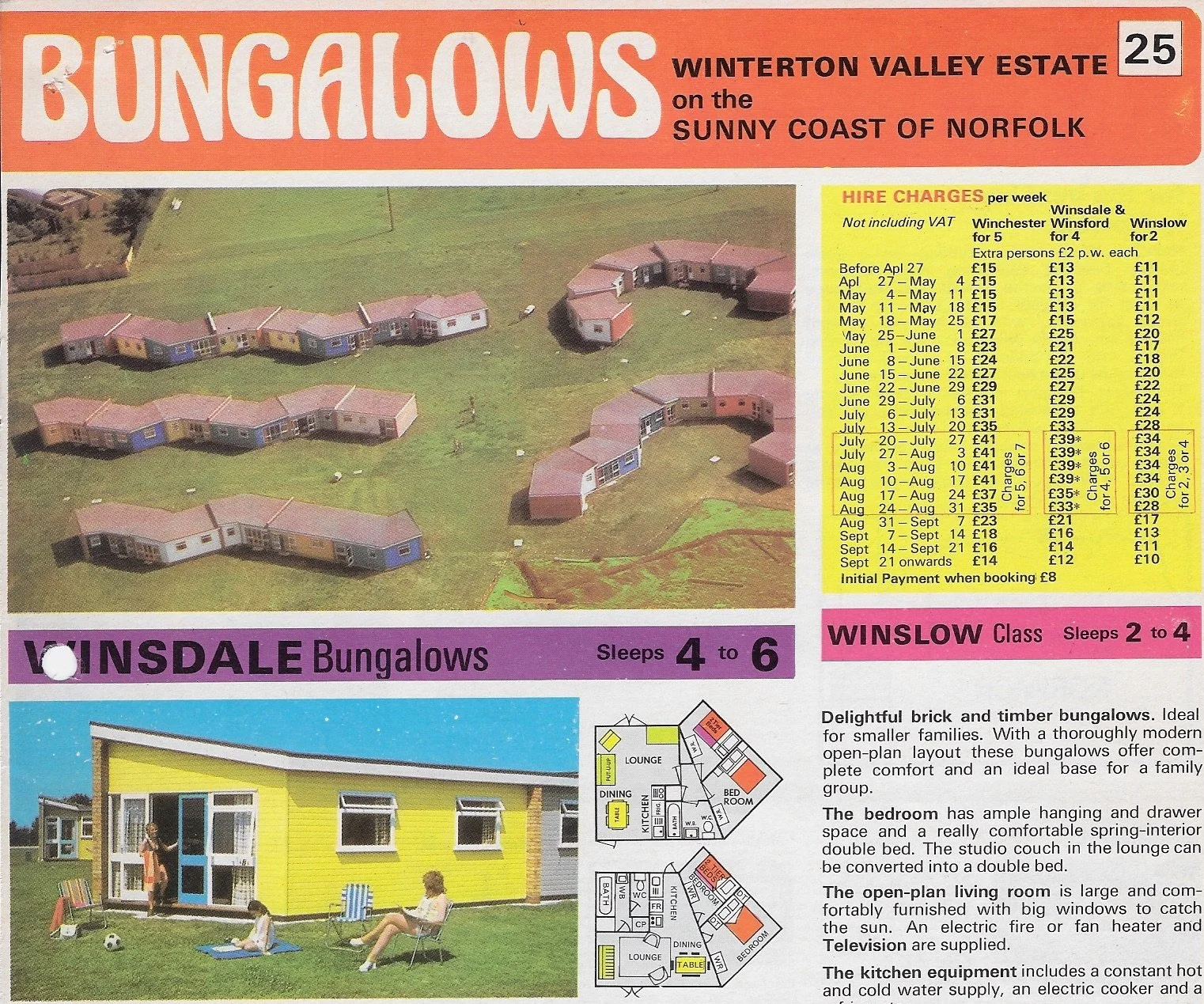
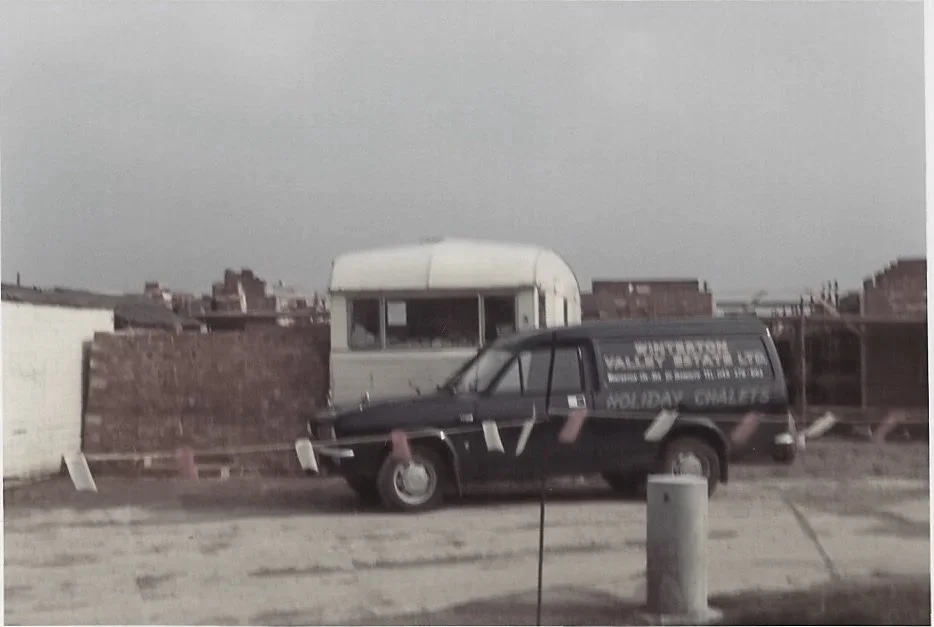
When Bush Builders completed construction of the site in 1974 Edward’s wife Doreen and daughter Patricia were brought in to the project and Winterton Valley Estate Limited was created. The estate was very much aimed at the traditional holiday market. Prospective owners were encouraged to purchase chalets with a view to let them out, and major companies such as Blakes Holidays and Hoseasons (both well-known names in Norfolk and beyond) handled lettings on behalf of many owners, at one point listing well over half of the chalets on their books. To support this lively holiday trade, the estate included its own shop, amusements and a swimming pool, creating a self-contained resort environment where guests could arrive, settle in and have everything they needed just a short walk away.
As the decades passed, patterns of holidaymaking gradually changed. By the late 1980s and early 90s, more and more owners were choosing to keep their chalets primarily for their own use along with friends and families, rather than letting them out through agencies. The estate naturally evolved from a busy, facility-led holiday park into a quieter, more owner-focused retreat. With fewer visitors using the on-site amenities, the swimming pool, amusements and eventually the shop closed in turn. What might have seemed like a loss at first soon revealed itself as the beginning of something new: the emergence of the Estate’s true identity as a peaceful coastal haven.
While other parks focus on ever more facilities, Winterton Valley quietly became known for something different; space, calm and a close connection to nature. That reputation continues to draw new owners today, many of whom go on to keep their chalets in the family for the next generation to enjoy.